


How to nail your charity sector interview
Hannah Gibson • February 18, 2026
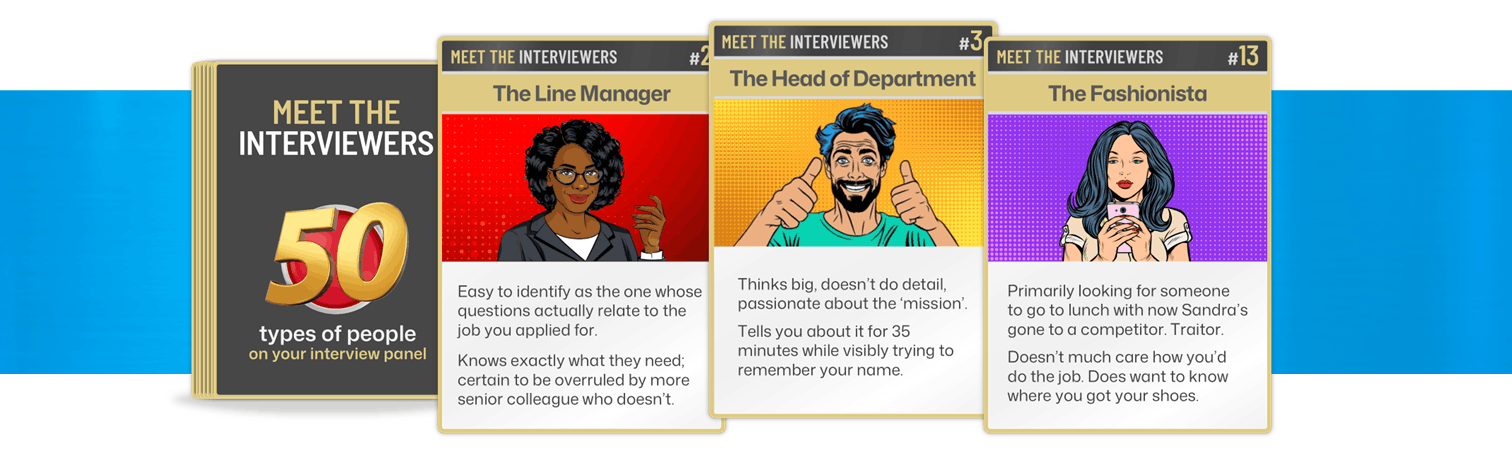
Despite the ever-increasing variety of hoops you may have to jump through to land on a shortlist, there's still only one way you're likely to proceed from there.
Interviews remain one of those things you just have to do if you're going to work in the charity sector, like memorising all the awareness days and abandoning hope of financial security. (Kidding of course - you can look up awareness days).
So what's the best way to handle them? If anyone knows, it's our specialist consultants who've observed or taken part in countless charity interviews in their time, so we're delighted to welcome senior temps specialist Hannah Gibson to the blog, with some expert advice for the big day. Over to you, Hannah!
How to nail your charity sector interview
Interviewing can feel daunting, even for the most experienced professionals. But with the right approach, preparation, and mindset, it’s also an opportunity to show the passion, skills, and values that make you a great fit for a charity or not-for-profit role.
Here are some tried-and-tested tips to help you walk into your next interview feeling confident and ready.
-------------
1. Do your homework
It sounds obvious, but research is key. Take time to:
- Understand the charity’s mission, values, and recent projects. This shows you’re genuinely interested and helps you tailor your answers.
- Look at the role description carefully. Identify the skills and experiences the organisation is prioritising.
- Familiarise yourself with the sector landscape - knowing challenges or trends can help you speak with insight.
Pro tip: For smaller charities, check social media and annual reports. It’s often where you’ll get the richest insight into their culture and priorities.
2. Prepare your stories
Charities want to know what you’ve achieved and how you work. Using real examples makes your answers more compelling. A handy framework is STAR:
- Situation: What was the context?
- Task: What were you trying to achieve?
- Action: What did you do?
- Result: What was the outcome?
Think about examples that highlight not just technical skills, but also collaboration, problem-solving, and alignment with values - all highly valued in the charity sector.
3. Anticipate tricky questions
Some questions are designed to be challenging, but preparation makes them manageable.
Examples include:
- “Tell me about a time you dealt with a difficult colleague or stakeholder.”
- “What would you do if resources were limited and priorities conflicted?”
- “Why do you want to work here, and not elsewhere?”
Don’t just think about your answers - practice saying them aloud. It helps you sound natural and confident rather than rehearsed.
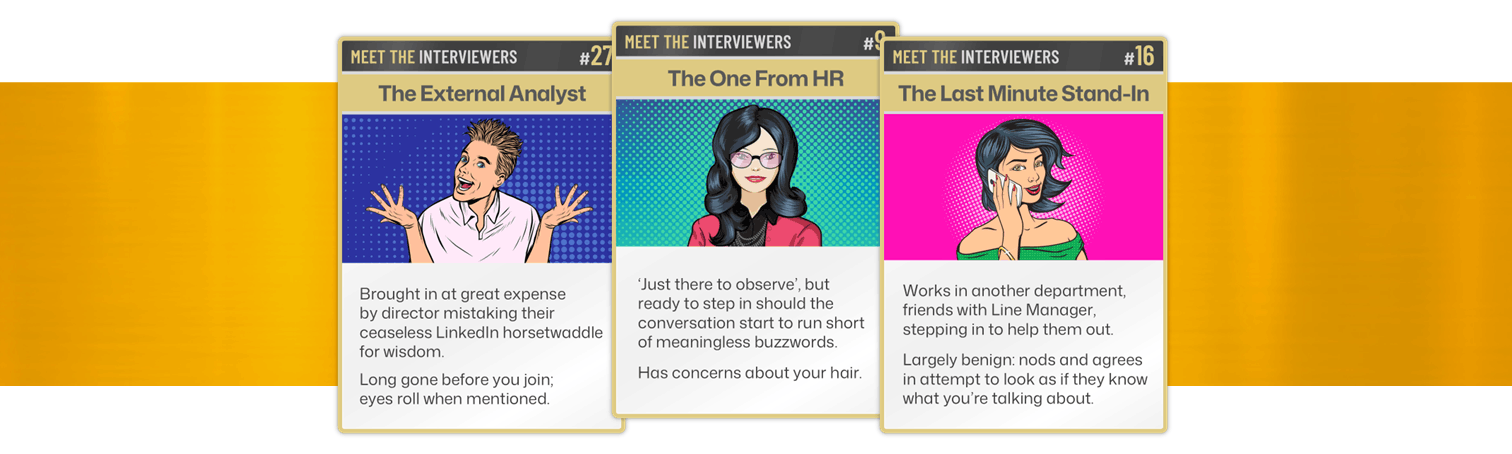
4. Sell yourself… without bragging
It can feel awkward to talk about your achievements, especially if you’re passionate about the cause rather than your own career.
Remember: sharing your successes is not bragging - it’s showing how you can make an impact.
- Be specific. Instead of “I’m good at managing projects,” try “I successfully managed a fundraising campaign that exceeded its target by 20%.”
- Link your skills to the role. Show how your experience will benefit the charity.
5. Ask thoughtful questions
Interviews are a two-way street. Asking questions demonstrates curiosity and engagement.
Some ideas:
- “What does success look like in this role?”
- “How does the team collaborate across projects?”
- “What challenges is the organisation currently facing?”
Avoid asking about salary and benefits too early - focus on understanding the role, the culture, and how you can contribute.
6. Pay attention to practicalities
Simple things make a difference:
- Dress appropriately - charity dress codes vary, but smart and professional is usually safe.
- Be on time, whether the interview is in person or online. Test your technology in advance if it’s virtual.
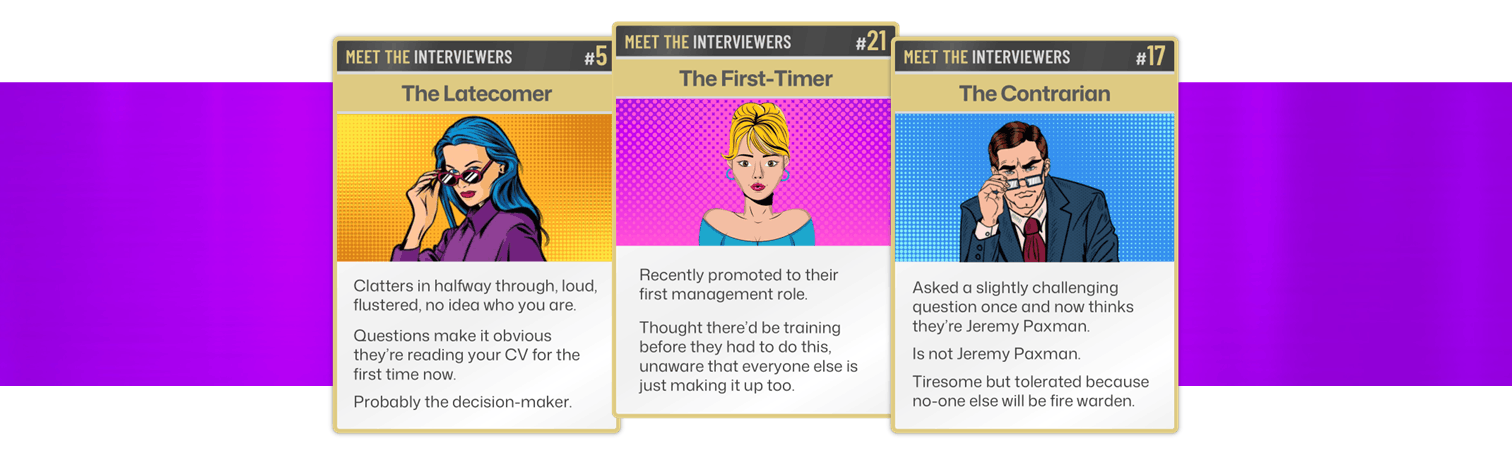
7. Mindset matters
Finally, your mindset can influence how you come across:
- Breathe and pause before answering questions - it’s okay to take a moment to think.
- Remember that the charity is looking for someone who fits the role and the culture - it’s as much about you finding the right place as it is them finding the right candidate.
- If the thought of 'an interview' makes you nervous, call it something else. You're simply 'having a meeting to talk about a job that might suit you', which sounds straightforward and keeps it in perspective.
- Be yourself - let your personality shine and don’t forget to smile. Authenticity resonates more than perfection.

Key takeaways:
- Research the organisation thoroughly.
- Prepare real-life examples using the STAR method.
- Practice tricky questions but stay natural.
- Show your achievements in a way that demonstrates impact.
- Ask thoughtful questions to show engagement.
- Keep practicalities in mind.
- Approach the interview with confidence, authenticity, and your own personality.
-------
With preparation, clarity, and a focus on your values and impact, you can turn interview nerves into a chance to shine.
Charity and not-for-profit roles attract candidates who are passionate about making a difference - now’s your chance to show why that includes you.
Hannah Gibson
Senior Temps Consultant, Harris Hill
For more interview tips or help with your job search, you can reach
Hannah or any of our
specialist consultants here, call us on
020 7820 7300, or follow the links below for more advice from the
Harris Hill Blog.

How to handle competency-based interviews
Competency-based questions are all about your experience and even if they're not the sole focus of your interview, it’s worth knowing how to answer them. Jenny Hills of Harris Hill Executive Search offers expert insight and advice in the first of a two-part guide.
Read more ►
How to write your charity sector CV
It's your personal marketing tool and essential to your charity job search, but what makes a good CV and what do charities look for? We trapped several of our specialists on a Zoom call to find out, and here’s the resulting advice, in the first of a two-part guide.
Read more ►

How to write a great supporting statement
If you're applying for a job in the charity sector, a supporting statement can be your biggest opportunity to sell yourself to a potential employer. We share some tips for making sure your skills truly shine.
Read more ►

By David Young
•
October 1, 2026
How's the recruitment market looking for those delivering their organisation’s services and providing essential support in areas like Operations, Admin, Data, HR and Projects? Here's our overview of the current trends from our 2026 Salary Survey.

By David Young
•
September 25, 2026
How can charity marketers best survive the current recruitment market, facing tough competition from their own weight of numbers, and now threatened by the electronic assistant to end us all? Here’s what our specialists had to say in the 2026 Harris Hill Salary Survey.