


How to write your charity sector CV - part 1
David Young • March 14, 2023
It's your personal marketing tool and essential to your charity job search, but what makes a good CV and what do charities look for? Harris Hill's marketing director David Young trapped several of our specialists on a Zoom call to find out, and here’s the resulting advice, in the first of a two-part guide.
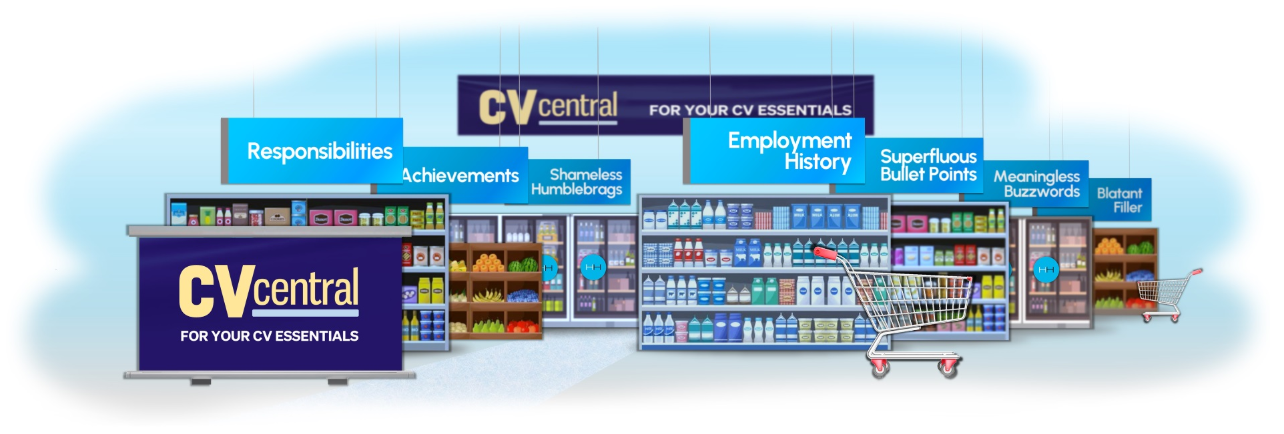
How to write your charity sector CV
There are, you may have noticed, quite a few CV-writing guides around already. Some very sound, some a little dated, and some by Americans who insist on calling it a résumé, unaware that stealing French words to mask gaps in your language is a shameful faux pas. Steal from the Romans or whoever once they've died out and nobody can sue.
So why are we adding to this giant adviceberg?

What you're aiming for
First, it’s worth stepping back to look at what a CV is, and what it’s there for.
1. Understand your strengths and identify your key selling points.
2. Identify your target audience and focus on appealing to them.
If you’re urgently job-seeking, it’s tempting to cast the net as far and wide as possible, but trying to offer something of interest to everyone is the path to interesting no-one, as you’ll know if you’ve ever seen The One Show.
Which brings us neatly on to…
Format and design
Clear
Concise
Consistent
As for what you use to create it, the world's your alleged aphrodisiac, but the final format should be one that anyone can view - most people opt for PDF or Word documents. Many recruiters, ourselves included, actually favour good old Microsoft Word docs, as they're easily integrated with our database.
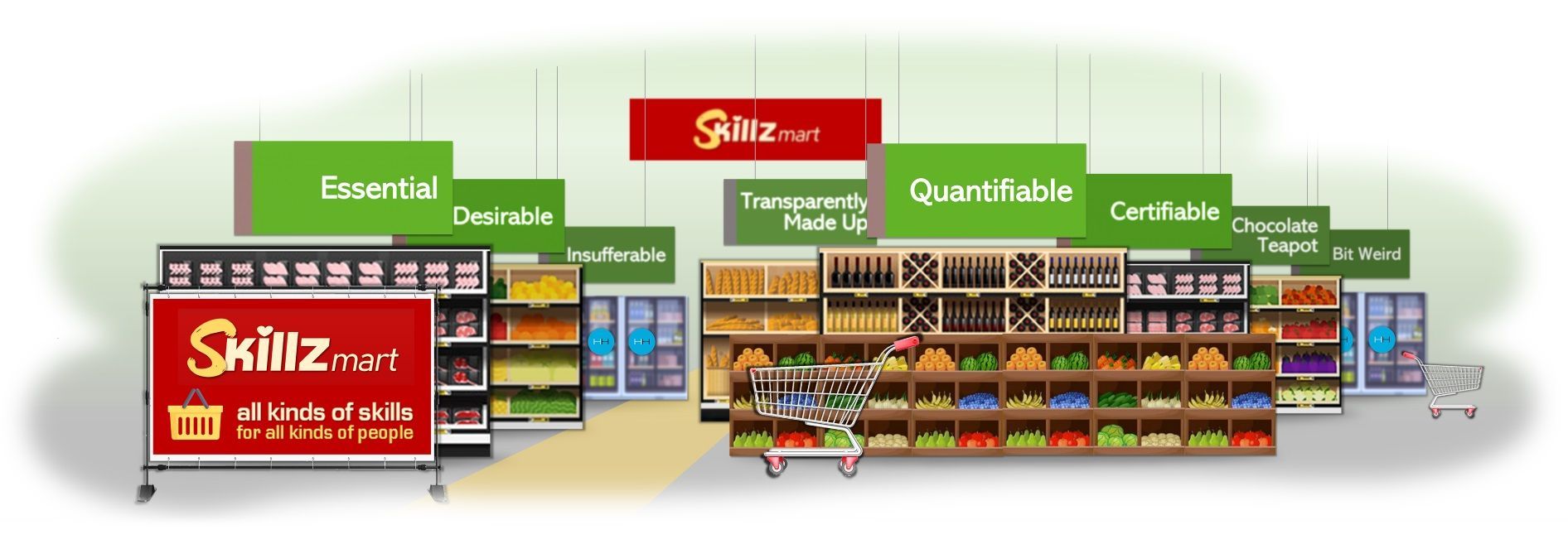
Things to consider for a charity sector CV
Charity CVs aren't radically different from anyone else's, but if you’re used to the corporate world, there are a few things to be aware of:
• It’ll be read by actual humans
Much current CV discourse concerns the latest dystopian wheeze: automated readers that can reject your CV before it ever reaches human eyes. Popular with big business (naturally), they’re known as applicant tracking systems, presumably because the other suggestions didn’t make candidates sound enough like hunted prey.
Happily, at the time of writing (in 2023), things are a little less Hunger Games in the charity sector and here at Harris Hill. Gone are the days when you'd have to print your CV on paper, slide it into a paper packet, stick a tiny picture of the Queen in the corner and push it into a sort of giant red pepperpot in the street - I’m honestly not making this up - but we’re a long way from it being read exclusively by robots.
Which means you can write for a human audience, so it’s less about regurgitating keywords in the right place and more about painting a meaningful picture of what you bring to the table.
• Charity experience matters
…and should feature prominently, so if you haven't worked for a charity, make space to flag up anything charity-related that you’ve done in your job or your free time. Charities like to see an ongoing commitment to the sector, so give yourself plenty to say by getting involved in charity activities, which ideally means more than simply wolfing down macaroons at a bake sale (although arguably a skill you may need).
Fortunately, through the magic of volunteering, charities are among the easiest organisations to get involved with: far more of us have done something for charity than have had a bash at selling derivatives, for example, and not only because we don’t know what they are.
• Different skills have value
Some qualities – being resilient, self-motivated, proactive – are an asset wherever you work, but 'softer' attributes - sensitivity, empathy, compassion - can be highly valued by charities, while apparently a hindrance in certain parts of the private sector.
• Supporting statements
Instead of a covering letter, you’ll more likely be asked to pair your CV with a supporting statement, a slightly more structured way of showing you have the skills required. For more on these, see our earlier blog on how to write a great supporting statement.
Having established the approach to take and what you're trying to achieve, what should your CV actually say?
And what can you easily get rid of to free up valuable space? Read on to find out in part two.
By David Young
•
October 1, 2026
How's the recruitment market looking for those delivering their organisation’s services and providing essential support in areas like Operations, Admin, Data, HR and Projects? Here's our overview of the current trends from our 2026 Salary Survey.
By David Young
•
September 25, 2026
How can charity marketers best survive the current recruitment market, facing tough competition from their own weight of numbers, and now threatened by the electronic assistant to end us all? Here’s what our specialists had to say in the 2026 Harris Hill Salary Survey.