
Why a workplace mistake could be the best move you've made


By Nicola Greenbrook December 3, 2018

Why do we make mistakes anyway?


From clean forgetting the attachment on an all-company email to accidentally forwarding a highly inappropriate spam video to your Chair of Trustees - rather than flagging it with your PR team as you’d intended - the workplace gaffe is cringingly familiar.


It’s safe to say most people have experienced the palpable gut-wrench of making an absolute clanger. So why do we make mistakes? Are we simply being careless or in a rush? Ignoring our intuitions and pushing ahead with an approach we know deep down will fail? Or is there more at play than personality and intelligence? 


American journalist and author Joseph T. Hallinan thinks so. In his book ‘Why We Make Mistakes’, he believes humans are pre-programmed to mess up because of our inbuilt ‘design flaws’. That it’s the way we think, see and remember - and forget - that leads us to make mistakes. By delving into psychology, neuroscience, and economics, he deduces that the same qualities that make us efficient can also make us prone to error.
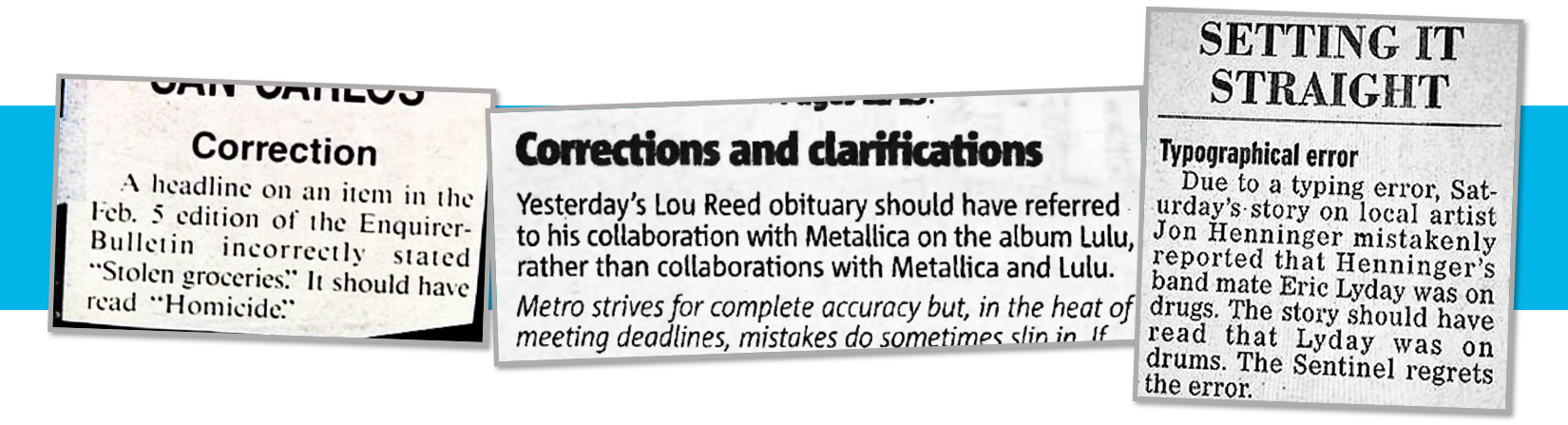
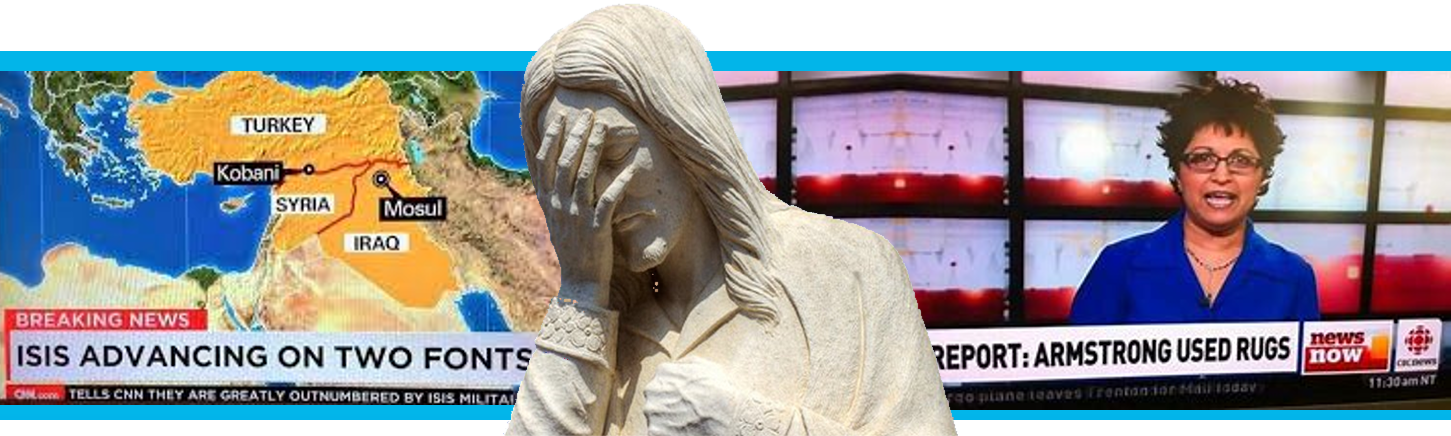
These design flaws, like when our eyes play tricks on us, are all-too-relatable. ‘I once sent an email about how incompetent and what a pain in the a***e a client was - only to send it directly to him’ said one of my friends.


Not spotting a missing letter can also wreak havoc, as a teacher friend discovered. ‘My teaching assistant was responsible for the gardening club and needed to write an emergency flyer home to parents due to bad weather. She intended to ask them to wear wet-weather gear - wellies in particular. But, the note read something along the lines of... ‘Dear gardeners, please don’t forget to bring your willies to school tomorrow!’. It was my job to check - I missed it and the note went home. Thank goodness our parents are fairly good humoured!’. 

Why is it good to mess up?


Most people are compassionate enough to realise mistakes happen and see the funny side when wellies go rogue. 


None of us are entirely flawless but we’re acclimatised to curated perfection in our virtual worlds. We share our successes and luminous achievements to our followers, but we rarely exhibit our failures when things haven’t gone so well.


Then again, messing up can feel like the end of the world. The immediate reaction is usually negative; panic, nausea, wild irrationality. As you simultaneously update your LinkedIn profile in readiness for a new-job search and WhatsApp your friends requesting an urgent wine-up to wallow in catharsis, you can feel like the worst (*add job title here) in the country.


Yet giving yourself permission to make mistakes could actually make you stronger. No matter how crushing they feel at the time, getting it wrong can be right in the long term. As Viv Groskop explains in her article for The Pool, ‘the more we stumble the less likely we are to head towards a major fall’. Making a mistake allows you to pause and reflect on the decisions made and actions taken which caused the error. Essentially, you get clarity on what’s gone wrong and can take steps to put it right.


Post-mistake anxiety - the I never want to experience this embarrassment or worry ever again feeling - can be the driving force to do better next time. You may also push yourself in a way you wouldn’t if you’re used to playing it safe and striving for perfection. 


Author Elizabeth Day’s inspiring podcast ‘How To Fail With Elizabeth Day’ celebrates the things that haven’t quite gone right. Every week, she asks her interviewee what they learned from their failures and how to do it better next time, - and succeed. In her article for The Guardian, she shares, ‘I realised that the biggest, most transformative moments of my life came through crisis or failure’. Crucially, she survived. ​

So, what can I learn from a mistake?

The cringy, 'it feels like my career is over' kind of mishaps are often unforgettable. Yet, for most people their world didn’t actually end, it got better. 

Mistakes can:

â–º Embed a valuable skill. When one senior designer first started out in publishing, he printed '10,000s of John Grisham audiobooks with the title misspelt on the spine. It was…quite a biggy’. Gulp. Yet, the one thing they’ve carried with them, apart from an innate fear of a legal thriller, is how crucial it is to double check anything that goes public. My friend who sent a disparaging email about a client TO the client? ‘I never wrote a single bad word about anyone on my work email ever again!’.

â–º Steer you down a career path you REALLY want to take. One of my great friends ‘invited 60 Financial Services big-wigs to a CPD event up in Liverpool, only to receive a call from an attendee telling me that the venue hadn’t a clue about the event and there was no booking. Yep - I hadn’t booked it. To be fair that season I ran over 140 events nationally, but that was a spectacular fail! It was then I realised events were not for me…’. They have since built a successful and exciting career in HRIS with notable brands on their CV - and haven’t given CPD events a second thought.

â–º Alter your behaviour. ‘I wondered and commented on why a young lad was looking at a notice up really really close’ mused one of my contacts. ‘Unfortunately he had a very bad eye problem. I was mortified that I had commented and have learned that all disabilities may not be that obvious. I’m very considerate and helpful to all my customers'. Although naturally respectful, it reminded her that consideration towards others goes a long way.

Argh, I’ve made a huge mistake. Now what?!


Here are some suggested ways to navigate yourself out a potential crisis in the event of a blooper:


1. Clear your head. Stop, take a deep breath and consider what’s actually happened (i.e. did you email the person intended or the whole company?). In your eagerness for damage control, avoid sending an email immediately. It could make things ten times worse and appear you’ve lost control.


2. Face up to it. Don’t run away, hide in the loos or blame the whole thing on Stephen from Finance. Be upfront with your manager and apologise, but don’t over do it. Present a clearly thought-out solution for their approval and display a calm and professional exterior (even if you’re sobbing inside). 


3. Try not to catastrophise. It’s natural to assume the worst - but don’t let panic or imposter syndrome overwhelm you. It’s likely your colleagues won’t notice your mistake, as everyone’s too busy making their own (I mean, getting on with their work).


4. A slip-up shared...Talk to a friend or loved one. What feels like the end of the world this morning could make for a terrific anecdote by this evening once you’ve nailed (1), (2) and (3). Swapping ‘you’ll never guess what I did today’ tales can offer reassurance, a reality check and a giggle. Then, stop obsessing and let it go.


5. Show em’ what you’re made of. Don’t let a blip derail you. Work extra hard over the coming weeks to restore your confidence. Genuine colleagues and good line managers will want to see you succeed. 


6. Check yourself. If you’re making small but frequent mistakes at work, there might be something else at play. Are you overloaded with a heavy work-life balance or anxious about something in your personal life? Or are you bored, taking your eye off the ball? Consider talking to your manager or HR, or access other support mechanisms like an employee assistance programme or a work/life coach.


Contact Us

SHARE THIS

Latest Posts


The Harris Hill Salary Survey 2025 graphic with the words
By David Young September 12, 2025
How much do charity CEOs get paid? The short answer is that although charity leaders tend to earn considerably less than their commercial counterparts, pay still varies enormously, depending on factors like the size and complexity of the charity's operations, its annual income, and the scale of the challenge facing the incoming CEO.
Harris Hill salary survey 2025 graphic with purple spheres labeled temporary, interim, contract, and fixed term.
By David Young September 1, 2025
Tough economic times have certainly had an impact on the number of permanent hires that charities have been able to make this year, but what about temporary and interim positions? Here's what our Temps specialists had to say about the trends they're seeing in the market, in our 2025 Salary Survey .
The Harris Hill salary survey 2025 graphic: Yellow spheres with finance, accounting, payroll labels.
By David Young August 27, 2025
Say you work in finance and many will imagine a world of six-figure salaries, baffling spreadsheets, detached houses in the Home Counties and a statistically inexplicable number of people called Steve. Working in charity finance however, is – baffling spreadsheets aside – a rather different story, but with their finger on the pulse and their ear to the ground at all times (we should really get them some chairs), our finance specialists are perfectly placed to bring you up to speed on the latest twists and turns. Here’s what they had to say about remuneration and recruitment trends in the current market, in our 2025 Salary Survey .